Why Walking Beats Massage for Lymphatic Flow
Quick Answer: The lymphatic system has no central pump - lymph moves when something squeezes its vessels, and the strongest everyday squeezer is rhythmic muscle contraction, led by the calf muscles that compress leg vessels with every step. A 30-minute walk delivers thousands of pump cycles plus deeper breathing that drives the system’s main drainage duct - a dose no 30-minute massage can match mechanically. Massage has real uses, especially trained therapy for clinical lymphedema, but for the everyday puffiness of long sitting, salty meals, heat, and travel, walking is the stronger, cheaper, always-available tool.
The spa calls it drainage and charges accordingly. Your calves have been offering the same service free since you learned to walk - they just never built a brand.
How does lymph actually move without a heart?
The system’s design explains why movement outranks hands.
Lymph is drainage, not circulation. Fluid constantly leaks from blood vessels into tissues; the lymphatic network collects the surplus - a few liters a day - filters it through nodes, and returns it to the bloodstream near the collarbones. When collection lags behind leakage, tissue puffs.
There is no lymph heart. Blood gets a dedicated pump; lymph relies on outside forces squeezing its thin-walled vessels, with one-way valves turning every squeeze into forward motion. No squeeze, no flow - which is why stillness is the system’s enemy.
Muscle contraction is squeezer-in-chief. Every time a muscle contracts, it compresses the lymph vessels running through and beside it, clicking fluid past the next valve. Rhythmic contraction - walking cadence - turns the entire leg into a peristaltic pump.
The calf is the famous one for a reason. Standing fluid pools lowest, and the calf muscle pair wraps the deep vessels of the lower leg so effectively that physiology calls it the second heart. Every step is a stroke of that pump - a walk is thousands of strokes.
Breathing drives the deep drainage. The main lymph duct runs through the chest, and each deep breath’s pressure swing pulls fluid up the trunk. Walking conveniently deepens breathing at exactly the cadence the limbs are pumping - a two-level pump session in one activity.
Massage squeezes too - from outside, gently. Manual drainage strokes move surface lymph, and skilled therapists do real clinical work. But a hand can be in one place at a time; a walk squeezes everything, rhythmically, for as long as you keep going.
What does the walking prescription look like?
Dose, cadence, and the small upgrades that multiply the pump.
Twenty to forty minutes, most days. The pump works while you use it - flow rises during activity and settles after - so frequency beats heroics. A daily half hour outperforms a weekend double session for keeping fluid moving.
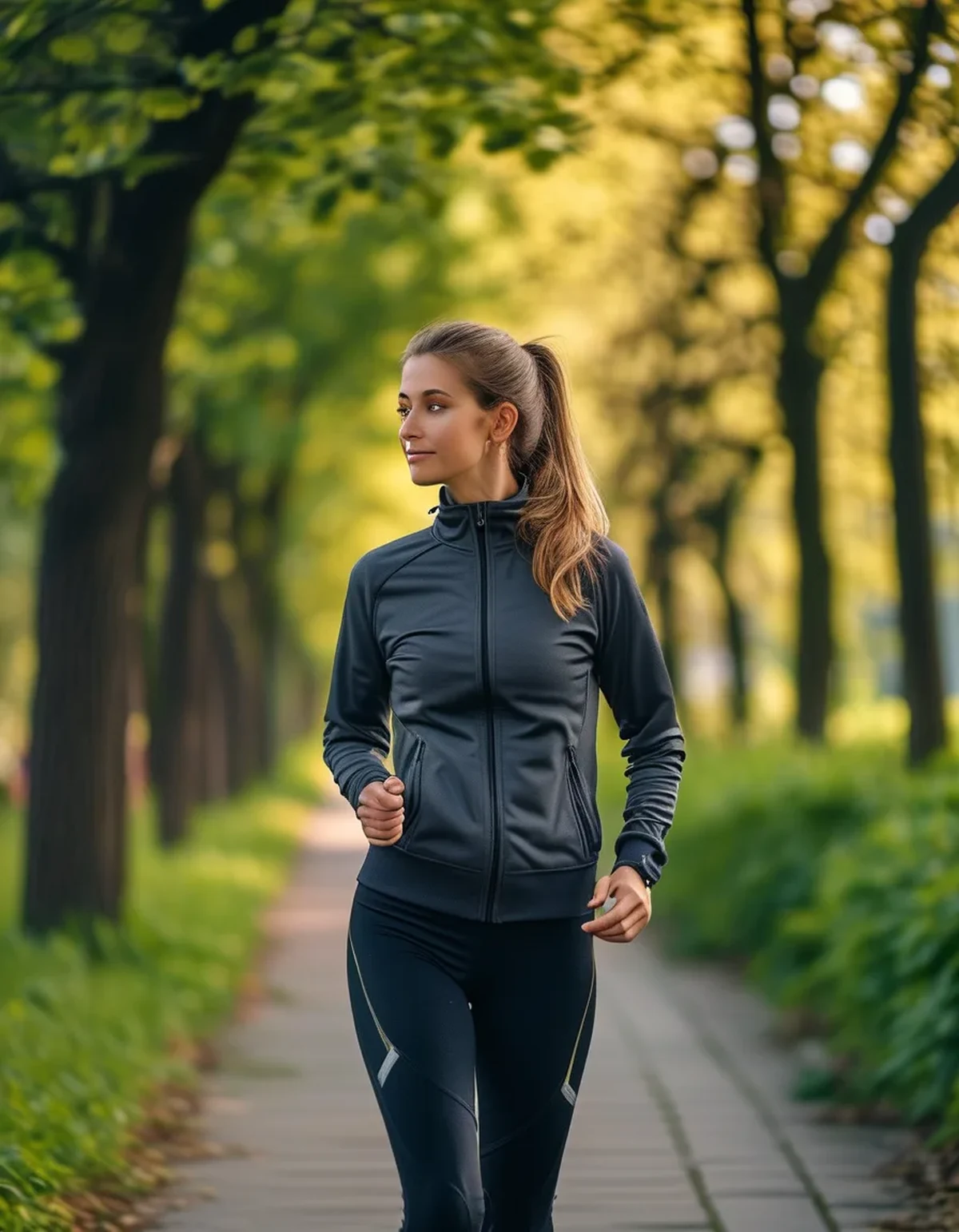
Comfortable cadence beats forced pace. The lymph pump runs on rhythm, not intensity - a relaxed, full-stride walk with natural arm swing pumps beautifully at conversational effort. This is one goal where slow walkers lose nothing.
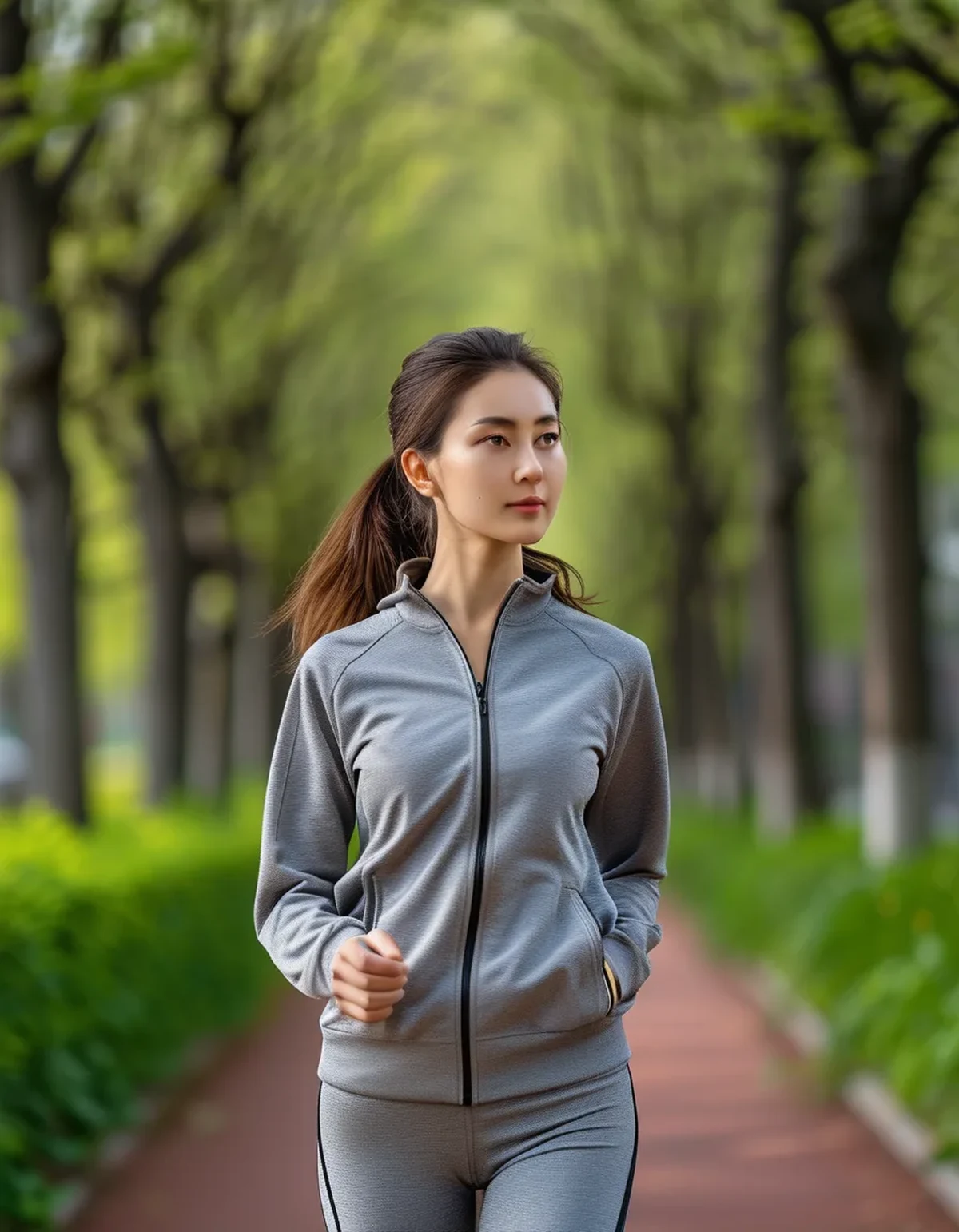
Full stride is the technique. Push through the back foot so the ankle moves through its range, let arms swing freely - ankle motion drives the calf pump, arm swing adds the upper-body squeeze. Shuffling with hands in pockets runs the pump at half depth.
Break up the pooling windows. Long sitting and standing are when fluid accumulates - a two-minute walk or 20 heel raises every 45 minutes drains the backlog before it compounds into the 5pm ankle tightness. The hourly mini-walk is arguably the highest-value habit in this whole area.
Stack the helpers. Walk after salty meals and flights - the exact triggers of everyday puffiness. In heat, walk early or late; heat dilates vessels and increases leakage, which is why summer ankles need the pump most and enjoy it least at noon.
Dress to help the pump, not fight it. Compression leggings or socks add a gentle external squeeze that stacks with the muscle pump - the walking-plus-graduated-compression combination is the standard advice for travel days and long-standing jobs. Comfortable, non-binding waistbands matter too: drainage dislikes tourniquets in the middle of the route.
General information, not medical advice - persistent, one-sided, or painful swelling deserves a professional look.
Myth vs Fact: Lymphatic Drainage
Myth: Lymphatic drainage is something done to you. Fact: The overwhelming majority of daily lymph movement comes from your own muscles and breath. External techniques assist a system whose main engine is you - which is excellent news for anyone with legs and a hallway.
Myth: Massage detoxes the lymph. Fact: Nodes and organs handle filtration regardless of anyone’s hands. What moves with massage or walking is fluid - the puffiness - not toxins in any meaningful sense. The de-puffing is real; the detox branding is marketing.
Myth: If walking works, harder exercise works proportionally better. Fact: The pump wants rhythm and volume, not intensity - and very hard exercise temporarily increases fluid leakage into muscles, which is part of post-leg-day puffiness. For pure drainage, the relaxed daily walk is the better instrument than the brutal workout.
Myth: Dry brushing and vibration plates are the serious tools. Fact: Evidence for both is thin and mechanisms are surface-level at best. Pleasant rituals, fine as rituals - but they are accessories to the muscle pump, not alternatives.
Myth: Swollen ankles after sitting all day mean something is wrong with your lymph. Fact: They usually mean the pump was parked for eight hours - gravity plus stillness produces pooling in perfectly healthy systems. The test is whether movement and elevation resolve it by morning. Swelling that persists, stays one-sided, or pits deeply and slowly is the kind worth a medical visit.
Myth: Clinical lymphedema can be walked away. Fact: True lymphedema - after node surgery, radiation, or from vessel dysfunction - needs trained therapy, prescribed compression, and medical management. Walking helps within that program; it does not replace it. The everyday-puffiness advice in this article is for everyday puffiness.
How do you build drainage into a normal day?
A layered routine that keeps fluid moving without adding appointments.
Anchor: the daily walk. Twenty to forty minutes at natural pace - commute legs, lunch loops, evening dog miles all count. This is the non-negotiable layer; everything else is amplification.
Layer two: the hourly interrupt. A movement snack every 45 to 60 minutes of sitting - hallway lap, 20 heel raises at the printer, one flight of stairs. Calendar-nudged until it becomes reflex. Desk workers who adopt only this layer report the biggest difference in evening ankle tightness.
Layer three: the deep-breath minutes. Two or three times daily, five slow belly breaths - the chest-duct pump running while you read email. Stacks neatly onto existing habits: after sitting down, before meals, at red lights.
Layer four: elevation windows. Ten minutes with feet up the wall or on the sofa arm in the evening lets gravity refund the day - especially after heat, salt, or flights. Pleasant enough to actually happen.
Layer five: strategic compression. Graduated compression socks or compression leggings for flights, long-standing shifts, and heavy-heat days - worn during the challenge, not as a lifestyle. The external squeeze plus the walking pump is the combination travel medicine actually recommends.
Watch the response, not the ritual. The system’s feedback is simple: rings looser by evening, sock lines shallower, morning ankles crisp. If the routine runs and the puffiness still climbs - or swelling arrives one-sided, painful, or sudden - that is data for a doctor, not for a sixth layer.
Total added time: about fifteen deliberate minutes on top of a walk you likely half-do already. The lymphatic system asks embarrassingly little - it just asks daily.
FAQ: Lymphatic Flow Questions, Answered
Does walking really help lymphatic drainage?
It is the single strongest everyday driver - each step’s calf contraction squeezes leg lymph vessels past one-way valves, and deeper walking breaths pump the chest duct. A daily 20-to-40-minute walk delivers thousands of pump cycles no external technique matches for dose.
Is walking better than lymphatic massage?
For everyday puffiness from sitting, salt, heat, and travel - yes, on mechanism, dose, and price. Trained manual drainage retains real roles, especially in clinical lymphedema care, where it belongs inside a medical program rather than instead of one.
Why do my ankles swell at my desk but not on active days?
Stillness parks the muscle pump while gravity keeps delivering fluid downhill - pooling is the default state of a motionless lower leg. Hourly two-minute walks or heel-raise breaks drain the backlog before it accumulates into evening tightness.
Do compression leggings help lymph flow?
Graduated compression adds a constant gentle external squeeze that stacks well with walking - most useful during flights, long shifts on your feet, and hot days. They assist the pump; they do not replace the walking that powers it.
When is swelling something to see a doctor about?
When it is one-sided, painful, sudden, persistent overnight despite elevation, or paired with skin changes or shortness of breath. Everyday positional puffiness resolves with movement and elevation - swelling that ignores them has earned a professional opinion.
TL;DR:
- Lymph has no heart - rhythmic muscle contraction is the pump, and the calf is its star.
- A daily 20-to-40-minute relaxed walk with full stride out-doses any massage for everyday puffiness.
- Hourly movement snacks, deep-breath minutes, evening elevation, and strategic compression layer on top.
- Massage keeps real clinical roles - lymphedema care is medical territory, not a walking substitute.
- Judge by evening ankles and morning rings; persistent or one-sided swelling sees a doctor.
The drainage service was installed at birth and runs on steps. Take the walk, interrupt the sitting, and let the second heart do the job it was built for.
See It in Motion
Seen here: Super High Waist Embossed Yoga Leggings with Inner Pocket — shop it on bubblelime.com
Keep Reading
This article is for general informational purposes only and is not medical advice. Always consult a qualified health professional for guidance specific to you.