Why Movement Matters More for Lymph Flow Than Any Massage or Tool
Quick Answer: Unlike blood circulation, the lymphatic system has no central pump (no equivalent to the heart) — lymph fluid moves primarily through muscle contraction during movement, deep breathing, and one-way valves, which means regular physical movement is the single most consistently effective driver of lymph flow, ahead of massage tools or dry brushing, which offer more modest, temporary effects by comparison.
A lot of lymphatic wellness marketing centers on external tools. The system’s actual built-in pump is just walking, moving, and breathing — which happens to be free.
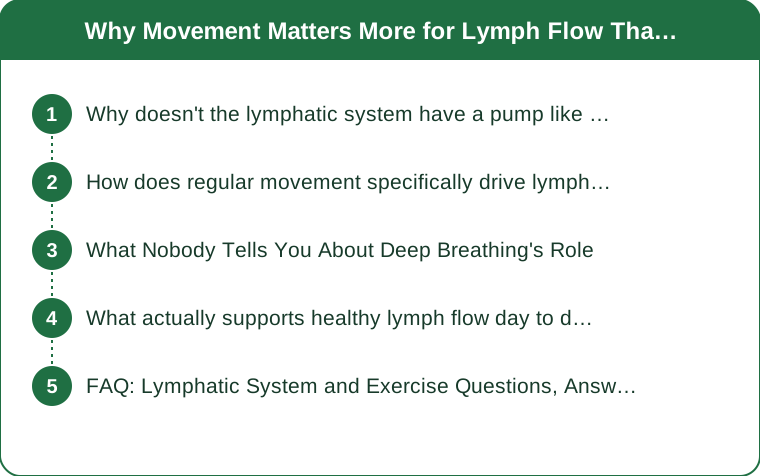
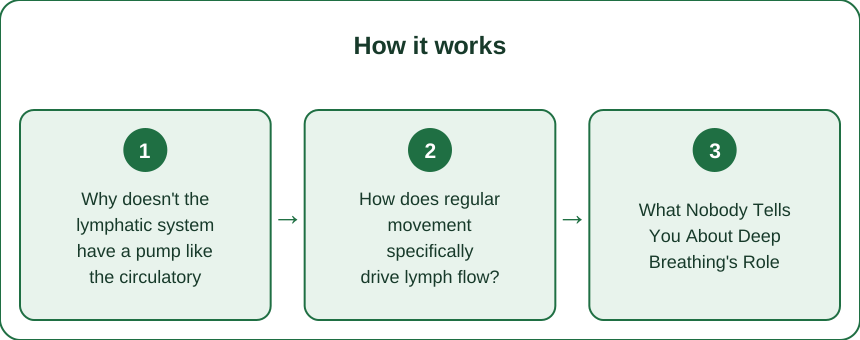
Why doesn’t the lymphatic system have a pump like the circulatory system does?
Blood circulation relies on the heart’s continuous pumping action, but the lymphatic system evolved without an equivalent central organ — instead, lymph movement depends on surrounding skeletal muscle contractions squeezing lymph vessels, along with breathing-driven pressure changes and a network of one-way valves preventing backflow.
This structural difference is exactly why prolonged inactivity or sitting is specifically associated with lymphatic stagnation and related puffiness or swelling — there’s no independent pump compensating for a lack of movement the way the heart compensates for physical inactivity in blood circulation.
How does regular movement specifically drive lymph flow?
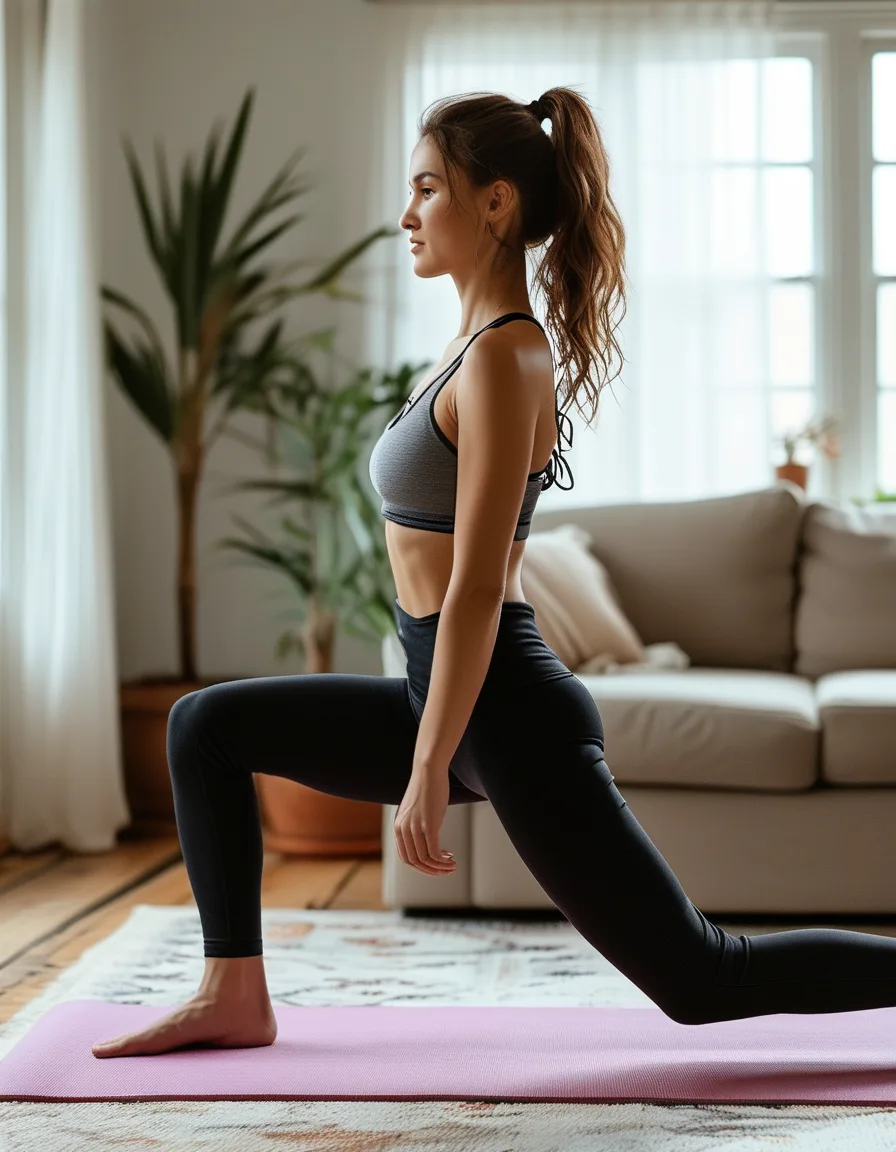
Every time skeletal muscles contract during normal movement — walking, arm swinging, even fidgeting — they mechanically compress nearby lymph vessels, pushing fluid along the one-way valve system toward the lymph nodes and eventually back into venous circulation.
This means any regular movement, not just dedicated lymphatic-focused exercise, contributes to this pumping action — which is part of why prolonged immobility (long flights, bed rest, desk-bound days) is specifically linked to lymphatic-related swelling and puffiness.
What Nobody Tells You About Deep Breathing’s Role
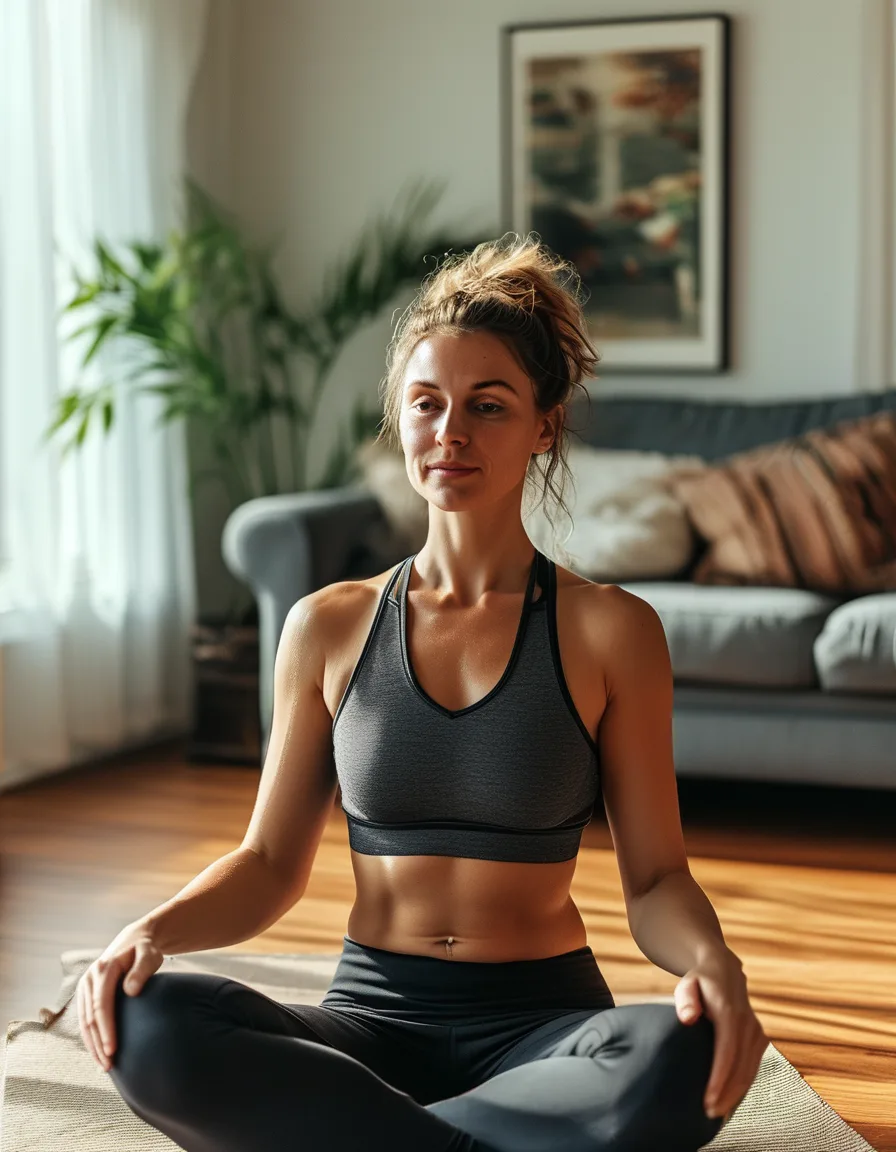
Here’s an underappreciated mechanism: deep diaphragmatic breathing creates pressure changes in the chest and abdomen that specifically help draw lymph through the thoracic duct, a major lymphatic vessel — meaning breathing exercises aren’t just a relaxation technique in this context, they’re a genuine mechanical contributor to lymph flow.
This is why some lymphatic health routines specifically combine movement with deep breathing rather than either alone — the two mechanisms (muscle pump and breathing-driven pressure change) work through different but complementary pathways.
What actually supports healthy lymph flow day to day?
- Regular movement throughout the day, breaking up long sitting periods rather than relying solely on one daily workout
- Deep diaphragmatic breathing practiced deliberately, not just as an occasional relaxation exercise
- Elevating legs periodically if swelling or puffiness is an issue, using gravity to assist the muscle-pump mechanism
- Massage and dry brushing as a supplementary, not primary, tool — useful as an addition but not a replacement for the actual movement-based mechanism
FAQ: Lymphatic System and Exercise Questions, Answered
Does any specific type of exercise support lymph flow best?
Movement that regularly engages large muscle groups — walking, swimming, cycling — works well, though even simple daily movement and stretching contributes meaningfully compared to prolonged stillness.
Can lymphatic massage replace the need for regular movement?
No — massage can provide a temporary, localized assist, but it doesn’t replicate the ongoing muscle-pump mechanism that regular movement throughout the day provides.
Why does sitting all day specifically cause leg puffiness?
Prolonged sitting minimizes the muscle contractions in the legs that normally help pump lymph (and venous blood) back up against gravity, allowing fluid to pool in the lower legs and feet.
TL;DR:
- The lymphatic system has no central pump — it relies on muscle contraction, breathing, and valves instead
- Regular movement throughout the day mechanically drives lymph flow more consistently than tools or massage
- Deep diaphragmatic breathing adds a genuine, separate mechanical contribution
- Massage and dry brushing are useful supplements, not substitutes for actual movement
The most effective ‘lymphatic drainage tool’ was never a brush or a massage technique — it’s simply moving regularly throughout your day.
Keep Reading
This article is for general informational purposes only and is not medical advice. Always consult a qualified health professional for guidance specific to you.