Lymphatic Drainage: What the De-Puffing Trend Gets Right (and Wildly Wrong)
The lymphatic system is having a moment: dry brushes in every boutique, gua sha tutorials by the thousand, influencers crediting their jawlines to drainage. Beneath the trend sits a real and genuinely under-appreciated body system — your fluid-management and immune-surveillance network — plus a cloud of claims it never made. Here is the honest tour: what lymph actually does, which practices hold up, and the one lever that embarrasses every tool. (General info — persistent swelling is a see-your-doctor matter, full stop.)
Your Lymphatic System, Actually Explained
Think of lymph as the body’s drainage and customs department: a network of vessels and nodes that collects the fluid constantly leaking from blood circulation into tissues — about three liters daily — filters it through immune checkpoints, and returns it to the bloodstream. Crucially, it has no heart of its own: lymph moves only when you do — muscle contractions, breathing and movement are its pumps. That single anatomical fact explains both why sedentary days end puffy and why the most effective drainage technique in existence is not sold in stores. It is a walk.
What the Trend Gets Right
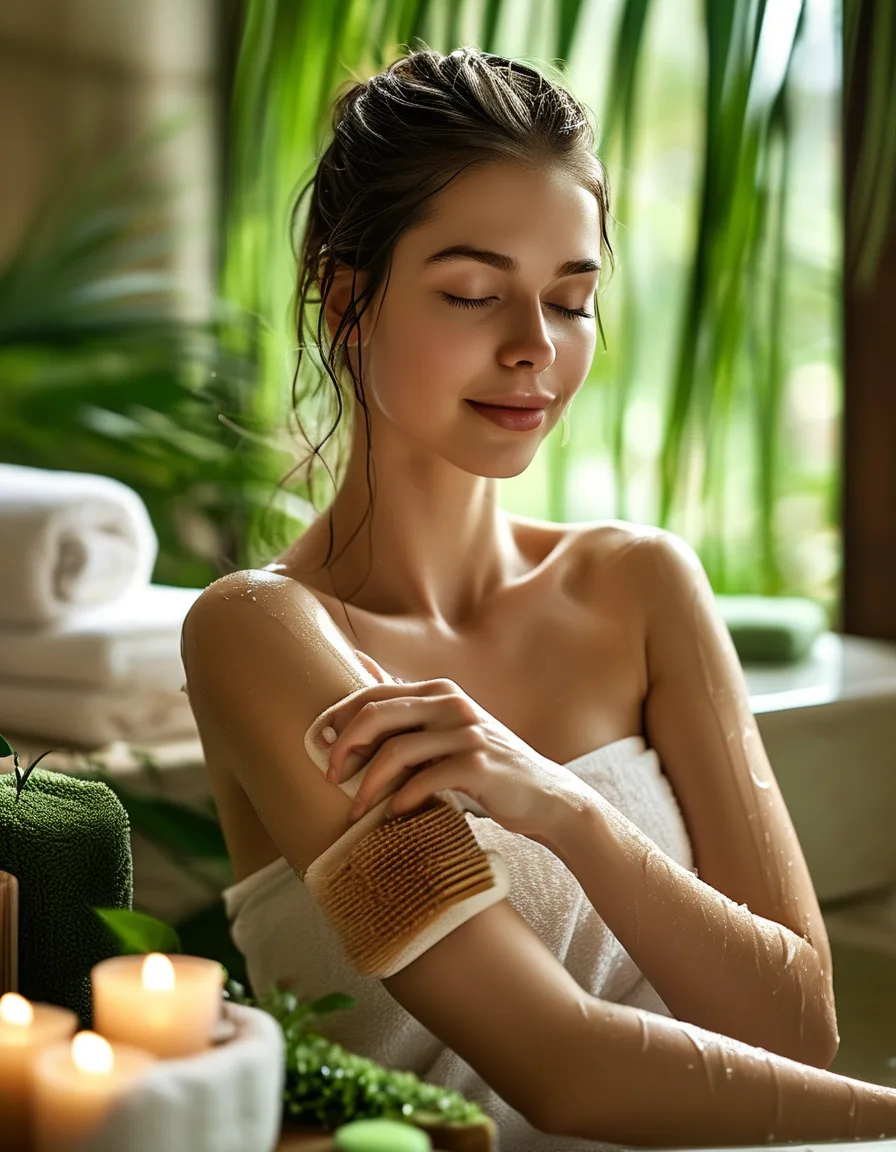
Fair credit where due: manual lymphatic drainage is a legitimate clinical technique — a specific feather-light massage developed for lymphedema patients, with real evidence in that medical context. The gentler home claims hold partial water too: light directional massage, gua sha and dry brushing can plausibly assist surface fluid movement, and the morning face de-puff people photograph is often real — you have redistributed overnight fluid a bit faster than gravity would have. Add the skin-stimulation pleasure and the ritual value, and these tools earn a modest, honest place in a routine. Modest being the operative word.

What It Gets Wrong
The overreach list: detoxification (lymph filters waste to be processed by liver and kidneys — brushing your arms does not purge toxins, a word doing unregulated heavy lifting), cellulite removal (structural fat architecture, unmoved by surface massage — temporary plumping at best), immunity boosting (the nodes work fine without exfoliation, thank you), and weight loss (fluid is not fat, and neither responds to a $38 brush the way the caption implies). None of this makes the tools useless. It makes them what they are: pleasant accessories to a system that mostly wants you to move.
The Practices, Ranked by Actual Leverage
One, movement — the real pump: walking, any exercise, and rebounding (the mini-trampoline’s rhythmic pumping is plausibly lymph-friendly and definitely fun). Two, hydration and less sodium-heavy processed food — the puffiness levers that outperform every tool. Three, deep diaphragmatic breathing: the pressure changes genuinely assist the deep lymphatic ducts, free of charge. Four, legs-up-the-wall for tired swollen ankles — gravity, employed. Five, then the rituals: dry brushing (light strokes toward the heart, before showering), gua sha with actual gentleness. Enjoy them as ritual; just know their rank.
When Puffiness Is a Message, Not a Trend
The responsible footnote: routine morning face-puff and long-day ankle swelling are normal fluid physics — but persistent, one-sided, painful or worsening swelling is not a dry-brushing situation; it is a medical one (lymphedema, circulation and cardiac causes all present as swelling and all deserve real evaluation). Post-surgical swelling, especially after lymph-node procedures, belongs with certified lymphedema therapists, where the clinical version of these techniques genuinely shines. The trend borrowed its credibility from that clinic. Know which side of the line your situation is on.
The lymph verdict: real system, humble tools, one superstar intervention — movement, the pump your drainage network was designed around. Walk daily, breathe deep, salt less, hydrate, throw in legs-up-the-wall after long days, and keep the dry brush if the ritual delights you. De-puffing was never for sale. It was in your sneakers the whole time — which is either disappointing or liberating, depending on how much the brush cost.
Keep Reading
This article is for general informational purposes only and is not medical advice. Always consult a qualified health professional for guidance specific to you.