Does Dry Brushing Actually Do Anything for Lymph Flow, or Is It Just a Nice Ritual?
Quick Answer: Dry brushing provides mild mechanical stimulation to superficial skin and circulation, and exfoliates skin effectively, but there’s limited direct evidence it meaningfully moves lymph fluid the way manual lymphatic drainage massage does. It’s a pleasant, low-risk ritual with modest, mostly superficial benefits.
Dry brushing has a devoted following and a genuinely nice ritual feel, but the specific claim that it “drains” the lymphatic system deserves a closer, more honest look.

What does dry brushing actually do to the skin and circulation?
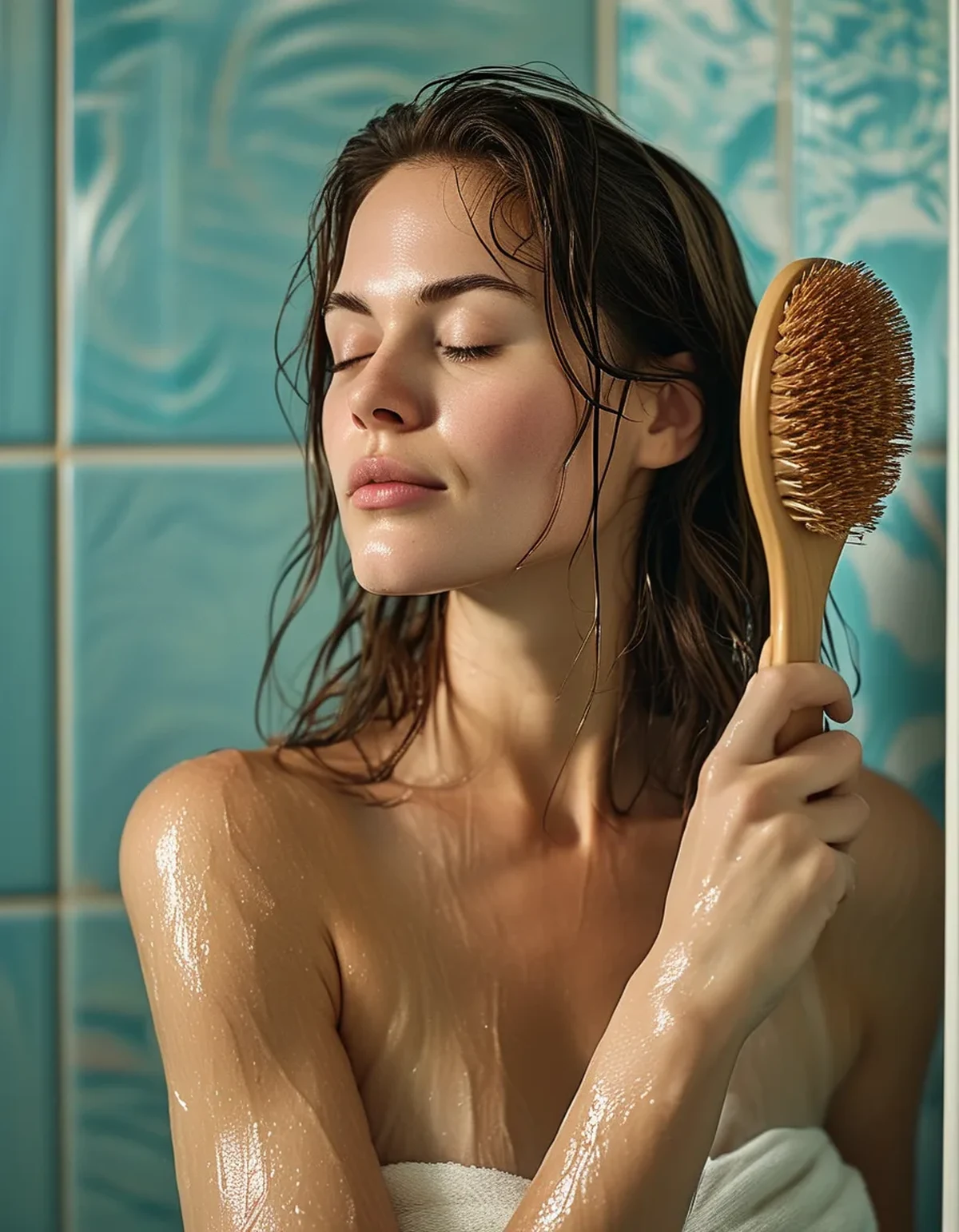
The brushing motion exfoliates dead skin cells effectively and provides mild superficial stimulation that can temporarily increase blood flow to the brushed area, similar to how any brisk skin stimulation might.
Does that translate into meaningful lymphatic drainage?
The evidence here is much thinner — professional manual lymphatic drainage massage uses specific, gentle, directional pressure techniques developed and studied for actual lymph movement, and dry brushing’s firmer, more superficial strokes aren’t the same technique or intensity.
Myth vs Fact: Dry Brushing and Lymph
Myth: dry brushing meaningfully flushes toxins through the lymphatic system. Fact: the lymphatic system does the vast majority of its own work through muscle movement, breathing, and its own internal valve system — brushing’s contribution to that active process isn’t well demonstrated in research.
Are there real benefits to dry brushing even without lymph drainage specifically?
Yes — effective exfoliation, a pleasant sensory ritual that some people find genuinely relaxing or grounding, and mild temporary skin circulation are legitimate benefits on their own, independent of the stronger lymphatic claims.
Is dry brushing worth continuing if you enjoy it?
If it feels good and causes no skin irritation, there’s little downside to continuing it as a skin-care and relaxation ritual — the issue is only with over-attributing specific medical-sounding claims to it.
FAQ: Dry Brushing Questions, Answered
What actually does help real lymphatic flow, then?
Regular movement, deep diaphragmatic breathing, and staying hydrated support the lymphatic system’s own natural pumping mechanisms more directly than external brushing does.
Can dry brushing cause skin irritation?
Yes, particularly with too much pressure or overly frequent brushing — using light pressure and moderate frequency reduces this risk.
Is professional lymphatic drainage massage worth it instead?
For people with a specific medical need like post-surgical swelling, a trained lymphatic drainage therapist provides a genuinely different, evidence-supported technique that dry brushing doesn’t replicate.
TL;DR:
- Dry brushing exfoliates well and gives mild, temporary superficial circulation stimulation
- Evidence that it meaningfully moves lymph fluid specifically is limited
- Movement, deep breathing, and hydration support real lymphatic function more directly
- It’s a low-risk, pleasant ritual worth keeping for its real benefits, just not oversold ones
Dry brushing is a nice, low-risk habit — just worth separating its genuine skin benefits from its more overstated lymphatic drainage claims.
Keep Reading
This article is for general informational purposes only and is not medical advice. Always consult a qualified health professional for guidance specific to you.