Do Compression Garments Actually Help Lymphatic Flow, or Just Feel Like They Do
Compression garments get credited with boosting lymphatic drainage almost as a given, but the actual mechanism is more specific and more limited than the marketing around them suggests. Some of the benefit is real, some of it is just the pleasant feeling of gentle pressure.
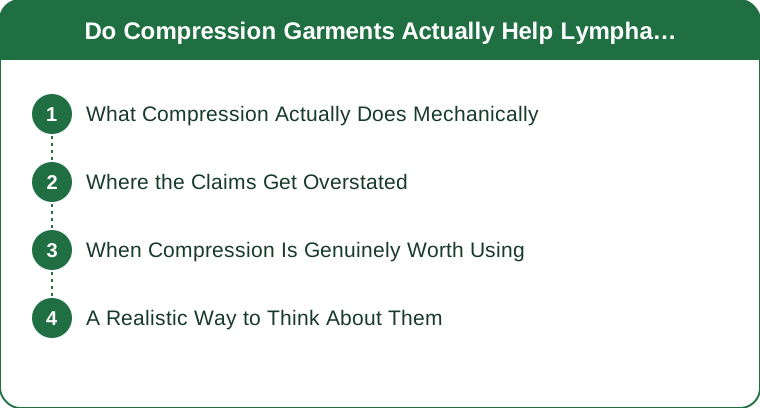
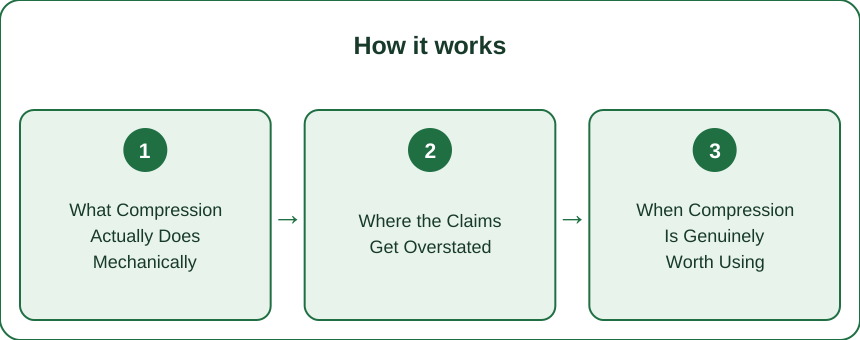
What Compression Actually Does Mechanically
The real mechanism: the the-external-pressure-gradient (properly designed graduated compression applying more pressure at the extremity and less further up the limb, which can support venous and some lymphatic return by working with the body’s own pressure gradients), the the-muscle-pump-assistance (compression providing a modest assist to the natural muscle pump action that helps move lymph fluid during movement, rather than moving fluid on its own at rest), the the-swelling-reduction-in-mild-cases (mild, temporary swelling from long periods of sitting or standing sometimes responding well to graduated compression, a genuine and well-supported use case).
Where the Claims Get Overstated
The exaggeration: the the-passive-drainage-myth (the idea that simply wearing compression garments while sitting still meaningfully drains the lymphatic system without any accompanying movement being poorly supported, since lymph flow depends heavily on muscle contraction), the the-generic-compression-versus-medical-grade-gap (most consumer athletic compression garments providing far less structured, graduated pressure than medical-grade compression garments actually studied for lymphatic conditions), the the-marketing-language-overreach (product marketing often using terms like ‘detox’ or ‘flush’ that don’t correspond to any measurable physiological process compression garments actually perform).

When Compression Is Genuinely Worth Using
The real applications: the the-post-exercise-recovery-support (wearing compression garments during recovery after intense exercise having reasonable evidence for reducing perceived soreness and mild swelling), the the-travel-and-prolonged-sitting-use (long flights or long periods of immobility being a well-supported context for graduated compression to reduce fluid pooling in the lower legs), the the-medical-diagnosis-context (anyone with a diagnosed lymphatic condition, like lymphedema, needing properly fitted medical-grade compression prescribed by a specialist, not consumer activewear).
A Realistic Way to Think About Them
The balanced take: the the-complement-not-substitute-for-movement (compression garments working best as a complement to movement and other lymphatic support habits, not a substitute for them), the the-comfort-value-still-legitimate (even without dramatic drainage effects, the genuine comfort and mild swelling relief compression garments provide still being a legitimate reason to use them), and the frame (compression garments offer real but modest support for circulation and mild swelling, mostly alongside movement rather than instead of it — the dramatic ‘lymphatic detox’ language attached to them outpaces what they actually do.)
Compression garments do have a real mechanical basis for supporting circulation, properly graduated compression applies more pressure at the extremity than further up the limb, working with the body’s own pressure gradients and giving a modest assist to the muscle pump action that helps move lymph during movement. What the marketing tends to overstate is the idea that simply wearing compression while sitting still meaningfully drains the lymphatic system, since lymph flow depends heavily on actual muscle contraction, and most consumer athletic compression garments provide far less structured, graduated pressure than the medical-grade versions studied for genuine lymphatic conditions. Where compression is genuinely well-supported is post-exercise recovery and long periods of sitting or immobility like flights, both of which have reasonable evidence behind them, while anyone with a diagnosed lymphatic condition needs properly fitted medical-grade compression from a specialist rather than activewear. This is general information, not medical advice, and the honest takeaway is that compression garments complement movement rather than replace it, offering real but modest support well short of the ‘detox’ language often attached to them.
Keep Reading
This article is for general informational purposes only and is not medical advice. Always consult a qualified health professional for guidance specific to you.